The Role of Tolerances in High-Quality Machined Plastic Parts
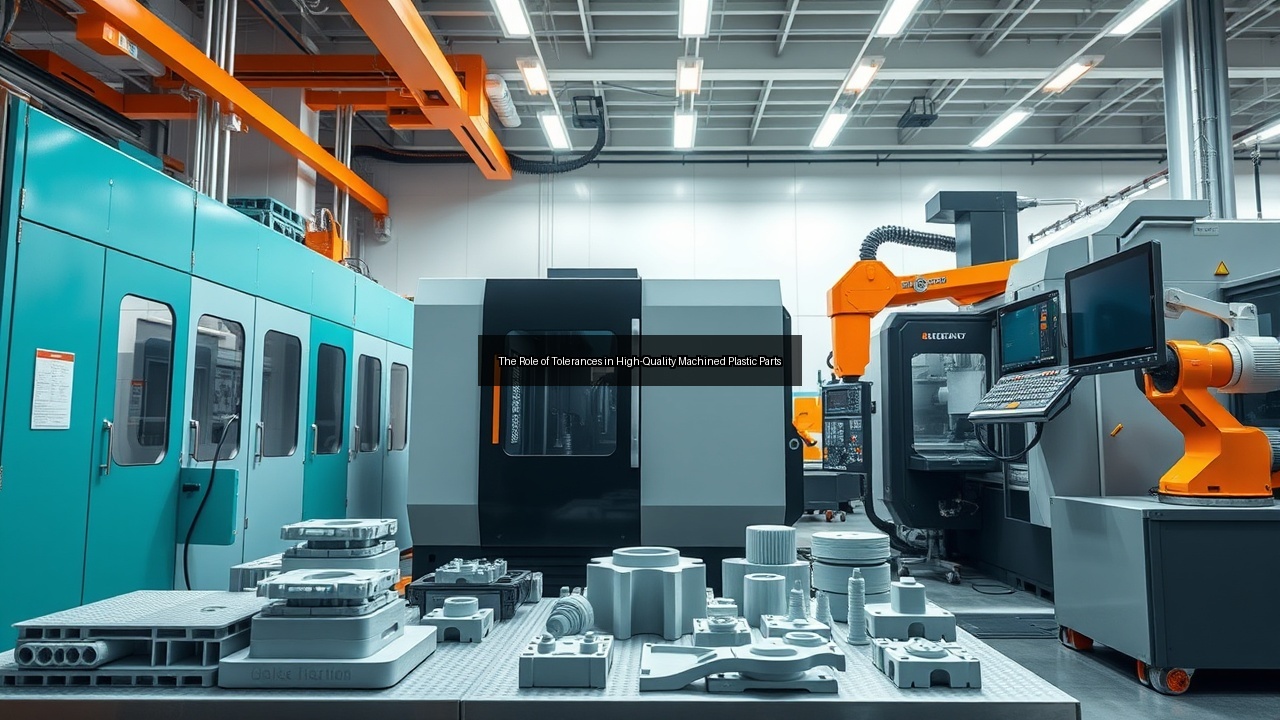
Understanding Tolerances in Machined Plastic Components
What Are Tolerances?
Tolerances define the precise allowable deviations in dimensions for every machined plastic component. Engineers set these limits during design to guarantee that parts assemble correctly and perform under load. Without clear tolerances, plastic cnc machined components risk misalignment or failure in critical applications. CNC machinery measures deviations down to thousandths of an inch, allowing consistent output across batches. Machinists translate tolerance specifications into tool paths that keep features within bounds. This approach directly supports the production of machined plastic parts used in medical devices, automotive assemblies, and industrial equipment. Clear tolerance values also reduce scrap rates and speed up quality checks.
In practice, tolerances specify both bilateral limits such as ±0.05 mm and unilateral ranges that account for material spring-back after cutting. Designers often apply tighter controls to critical interfaces like bearing bores or sealing grooves while allowing looser values on non-functional surfaces to control cost. Measurement tools including coordinate measuring machines and optical comparators verify compliance, and statistical process control charts track variation across production lots. When tolerances are properly documented, downstream processes such as automated assembly and leak testing proceed without interruption, protecting overall system reliability.
Importance of Tolerances in Engineering Plastics
Engineering plastics demand tight tolerances because their unique thermal and mechanical properties affect final dimensions. Materials such as PEEK or nylon expand differently under heat, so machinists adjust programs to maintain accuracy. Proper tolerance control ensures machined plastic components meet functional requirements without excessive post-processing. Companies that ignore these factors often face rejected batches or costly rework. Tolerances also influence how plastic machined components interact with metal parts in hybrid assemblies. By specifying realistic limits, manufacturers balance cost and performance while delivering reliable plastic cnc machined components for demanding environments.
Additional considerations include viscoelastic creep and moisture absorption, both of which can shift dimensions after machining. For instance, nylon parts used in fuel systems must accommodate up to 3 percent dimensional growth when exposed to humid conditions. Engineers therefore incorporate compensatory offsets during programming and may specify stabilized or annealed stock. These steps preserve tolerance integrity throughout the component life cycle and prevent premature wear or leakage in service.
Common Tolerance Standards for CNC Machining
Industry standards like ISO 2768 and ASME Y14.5 guide tolerance application on cnc machined plastic parts. General tolerances range from ±0.1 mm for larger features down to ±0.025 mm for precision holes and mating surfaces. Plastic fabrication shops reference these standards when quoting machined plastic components to avoid ambiguity. Customers provide detailed drawings that list geometric dimensioning and tolerancing symbols. Adhering to these norms lets manufacturers produce consistent machined plastics across multiple production runs. Compliance also simplifies communication between design teams and the machinist operating the equipment.
Plastics-specific guidelines often supplement these standards by recommending additional stock allowances for stress-relief cycles and by defining flatness tolerances that account for warpage after fixturing removal. Shops frequently adopt internal best-practice documents that translate GD&T callouts into cutter compensation values and probing routines, ensuring repeatable results even when switching between different resin grades.
The CNC Machining Process for Plastic Parts
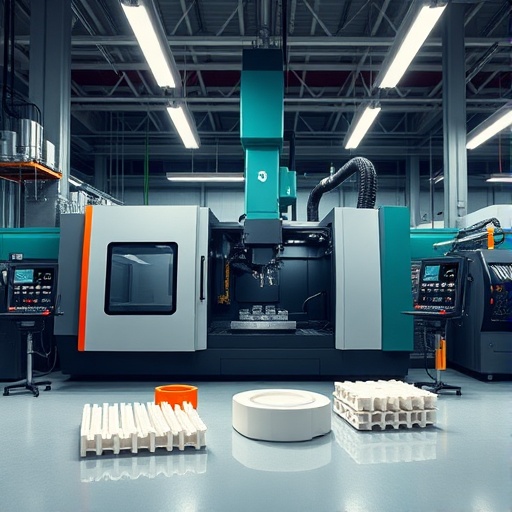
Overview of CNC Machinery
CNC machinery encompasses multi-axis mills, lathes, and routers configured for plastic fabrication. These machines remove material from stock with computer-controlled cutters to create complex geometries. Operators load engineering plastics into fixtures, then run programs that execute precise movements. Modern centers handle everything from prototypes to batch production of machined plastic parts. The technology supports rapid tool changes and automated probing for in-process verification. This setup allows shops to deliver plastic cnc machined components with repeatable accuracy.
How CNC Machining Ensures Precision
CNC machining maintains precision through closed-loop feedback systems that monitor tool position in real time. Spindle speeds and feed rates adjust automatically to match the properties of each plastic. Software compensates for tool wear, keeping tolerances on machined plastic components within specification. Five-axis capability lets the machine reach undercuts and contours without multiple setups. As a result, manufacturers achieve high repeatability on plastic machined components even during extended production runs. Probing routines verify critical dimensions before the part leaves the machine.
Adaptive feed-rate algorithms further refine accuracy by slowing the cutter when encountering harder inclusions or thin walls that could otherwise deflect. Integrated coolant delivery systems control localized heating, reducing the risk of thermal distortion in heat-sensitive resins such as polycarbonate. Together these features enable sub-0.01 mm positional repeatability on complex contours while minimizing secondary operations.
The Role of the Machinist in Tolerance Control
The machinist interprets drawings, selects cutters, and fine-tunes parameters to hold tolerances on every machined plastic part. Experience with engineering plastics helps predict how materials behave during cutting. Skilled operators monitor chip formation and surface quality, making on-the-fly adjustments. They also calibrate fixtures and verify machine calibration daily. This hands-on oversight prevents drift that could push dimensions outside tolerance on cnc machined plastic components. Ultimately, the machinist bridges the gap between digital programs and physical results.
Factors Affecting Tolerances in Plastic Fabrication
Material Selection: Engineering Plastics vs. Composites
Engineering plastics such as acetal or polycarbonate machine cleanly and hold tolerances well. Composites reinforced with glass or carbon fibers introduce variability because fibers can pull out or cause tool deflection. Material choice therefore dictates achievable tolerances on machined plastic components. Shops test samples to establish stable cutting parameters before full production. Selecting the right plastic or composite upfront reduces variation in plastic cnc machined components and improves yield during batch production.
Impact of Machine Calibration on Tolerances
Regular calibration of CNC machinery keeps linear scales, spindles, and rotary axes accurate. Even minor misalignment shifts dimensions beyond specified tolerances on machined plastics. Technicians run laser interferometer checks and ball-bar tests to confirm machine performance. Updated calibration data feeds into compensation tables that maintain precision across long runs. Neglecting this maintenance leads to scrap and delays when producing cnc machined plastic parts.
Environmental Factors in Batch Production
Temperature fluctuations and humidity affect both the machine and the plastic stock during batch production. Engineering plastics absorb moisture that alters dimensions after machining. Climate-controlled facilities stabilize conditions so tolerances remain consistent on every machined plastic component. Shops also allow parts to acclimate before final inspection. Controlling the environment protects the integrity of plastic machined components and supports reliable delivery schedules.
Additional safeguards include the use of desiccant storage cabinets for moisture-sensitive resins and real-time environmental monitoring linked to the machine control system. When humidity exceeds preset thresholds, programs automatically insert dwell periods that permit equilibrium before critical finishing passes, preserving dimensional stability.
Surface Finishing and Treatment Techniques
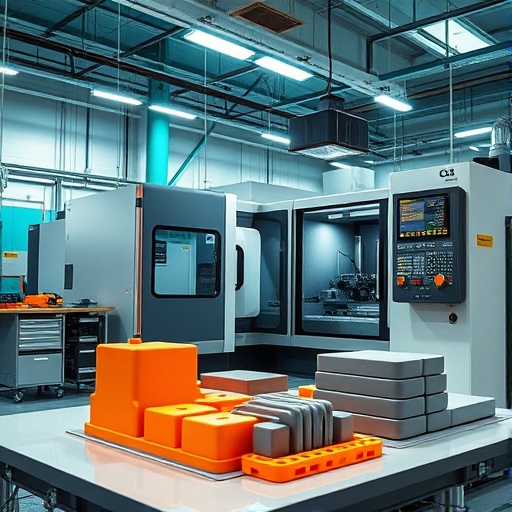
Types of Surface Treatments for Machined Plastics
Common surface treatments include vapor polishing, bead blasting, and precision grinding applied to machined plastic parts. These methods remove tool marks and improve sealing surfaces. Some manufacturers apply thin coatings to enhance wear resistance on cnc machined plastic components. Each technique must respect the original tolerance specifications so parts still assemble correctly. Proper selection of surface treatment preserves the functional geometry of plastic cnc machined components.
Importance of Surface Finishing in Tolerance Satisfaction
Surface finishing directly influences how well machined plastic components meet tolerance requirements. Rough surfaces can hide dimensional errors or create interference at mating faces. Controlled finishing processes bring features into final tolerance while improving aesthetics. Manufacturers document finishing parameters to ensure repeatability across batches. This step often determines whether plastic machined components pass functional testing.
Technological Advances in Surface Treatment
New laser texturing and robotic polishing systems deliver uniform finishes on complex machined plastics. Automation reduces operator variability and maintains tight tolerances even on intricate contours. Advanced technology integrates with CNC programs to apply treatment only where needed. These innovations shorten lead times for high-volume plastic cnc machined components while improving consistency. Shops adopting these methods gain competitive advantage in precision plastic fabrication.
Choosing the Right Manufacturer for Machined Plastic Parts
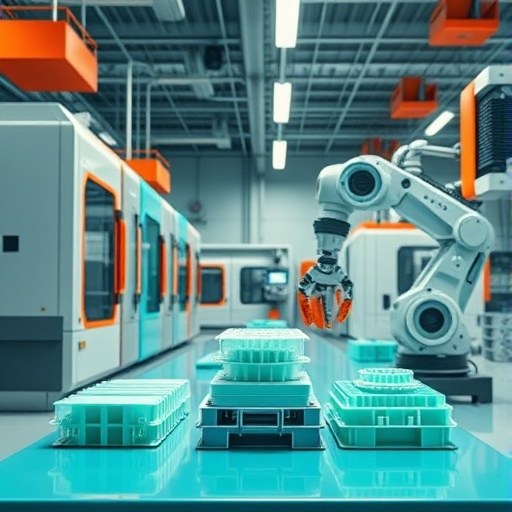
Evaluating CNC Machining Companies
Prospective buyers review a company’s equipment list, quality certifications, and experience with engineering plastics. Site visits reveal how well the shop controls tolerances during production. References from similar projects confirm the manufacturer can deliver cnc machined plastic components on time. Transparent quoting processes that include tolerance verification demonstrate capability. Thorough evaluation prevents costly mismatches between expectations and actual output.
Key Specifications to Consider
Buyers must confirm maximum part size, material capabilities, and typical tolerance ranges before placing orders. Detailed specifications cover surface finish requirements, inspection methods, and packaging for machined plastic parts. Clear communication of these details ensures the manufacturer programs CNC machinery correctly. Reviewing sample reports helps verify that the company consistently meets stated tolerances on plastic machined components.
The Future of Tolerances in Plastic Machined Components
Advances in in-process metrology and adaptive machining will tighten achievable tolerances on machined plastic components. Real-time sensors combined with machine learning will adjust parameters instantly during cutting. These developments support higher complexity in plastic cnc machined components without sacrificing accuracy. Manufacturers investing in next-generation CNC machinery position themselves to meet evolving industry demands for precision plastic fabrication.